Late 19th Century Horse-Drawn Buggy
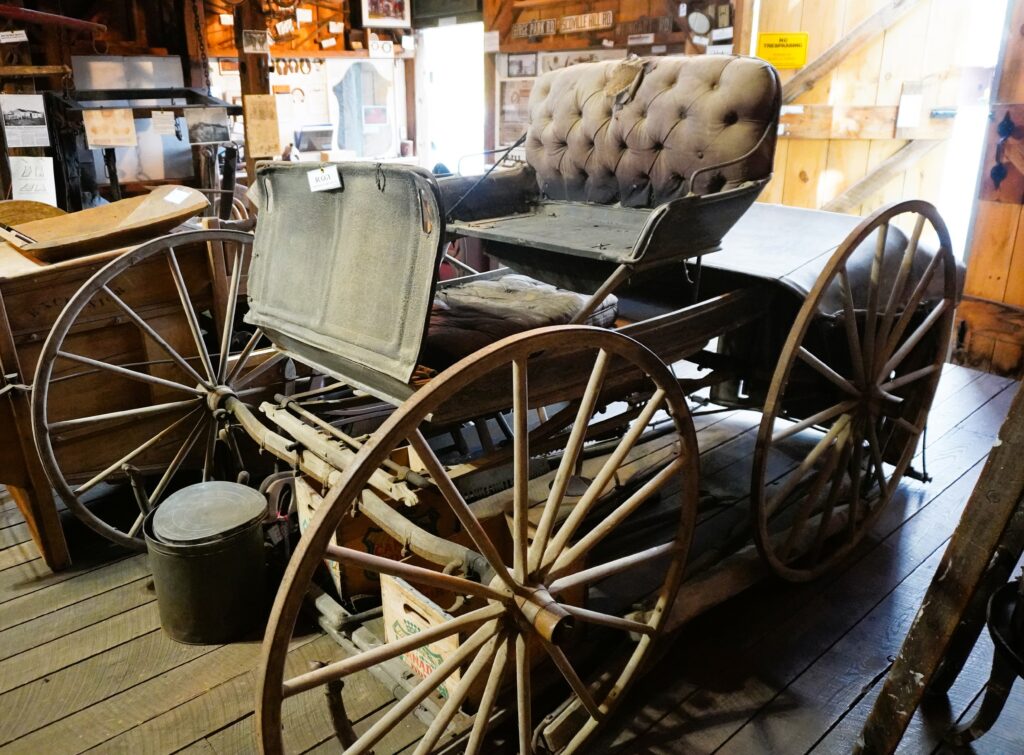
Donated by Warren Wilcox in 2019
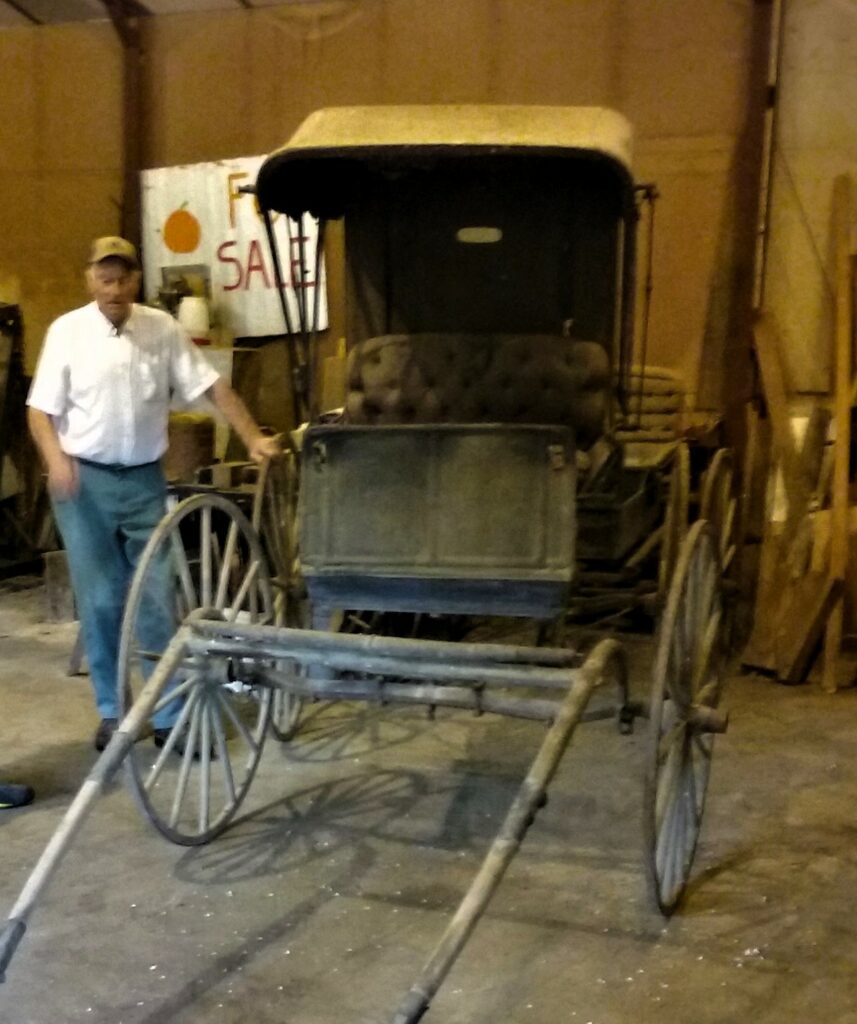
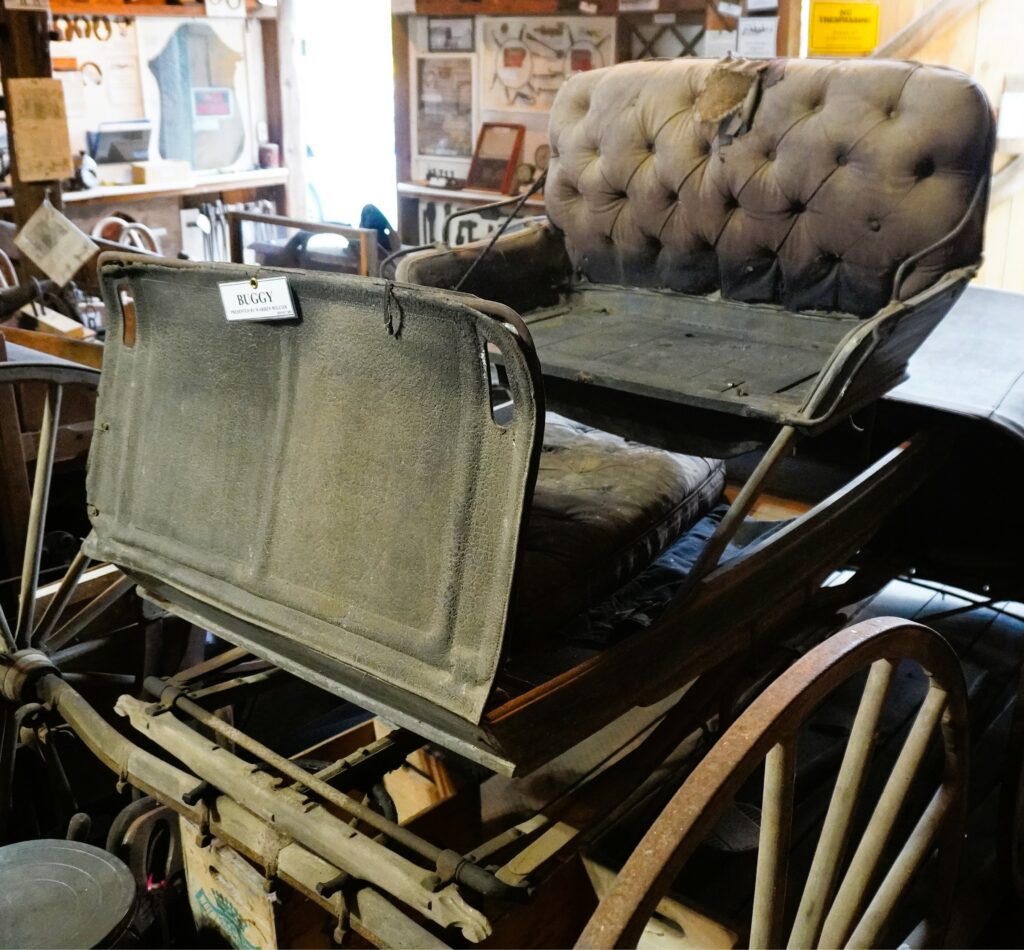
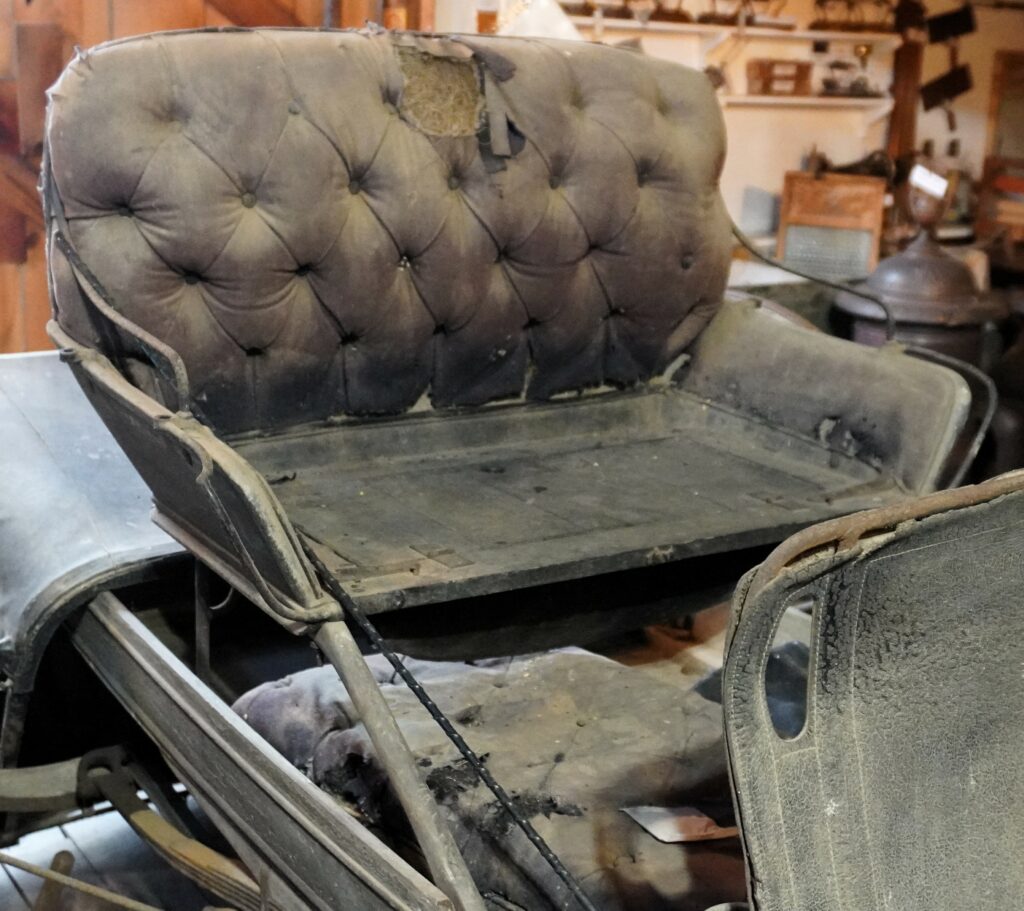
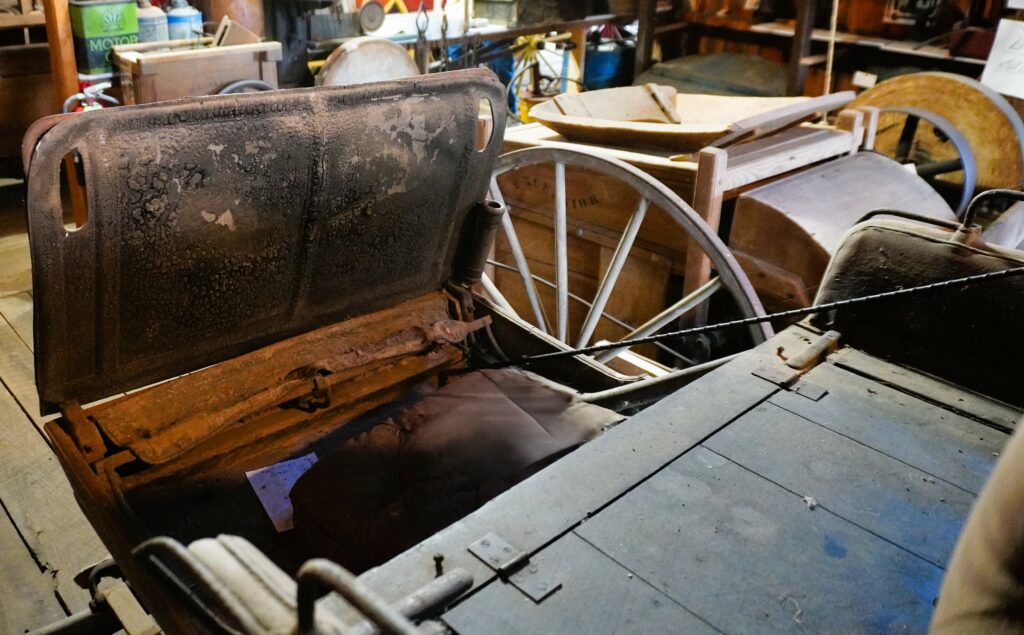
Between the early 1800s and the early 1900s, these horse-drawn buggies became a staple of American life, especially in rural areas. These vehicles allowed people to travel to town for shopping, church, and social gatherings. In urban settings, the buggy or carriage was a common sight on city streets, used by merchants and professionals for business purposes.
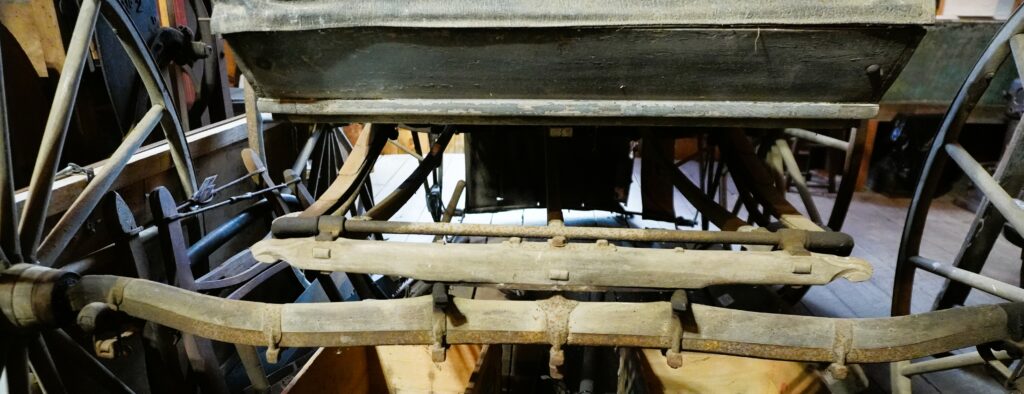
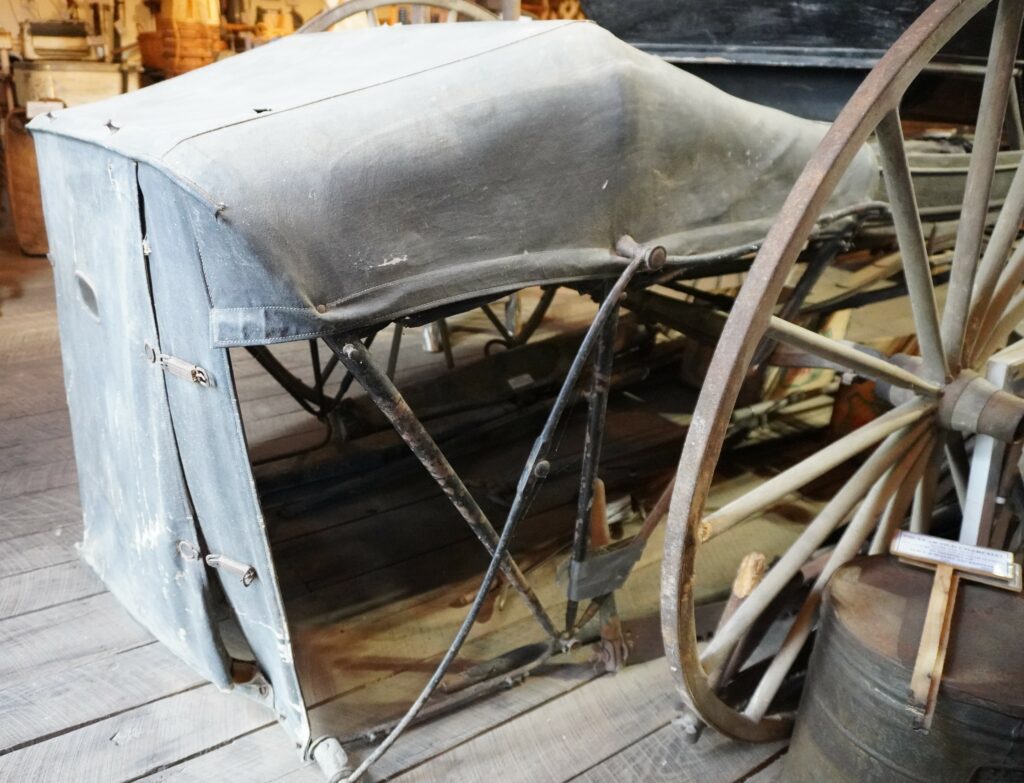
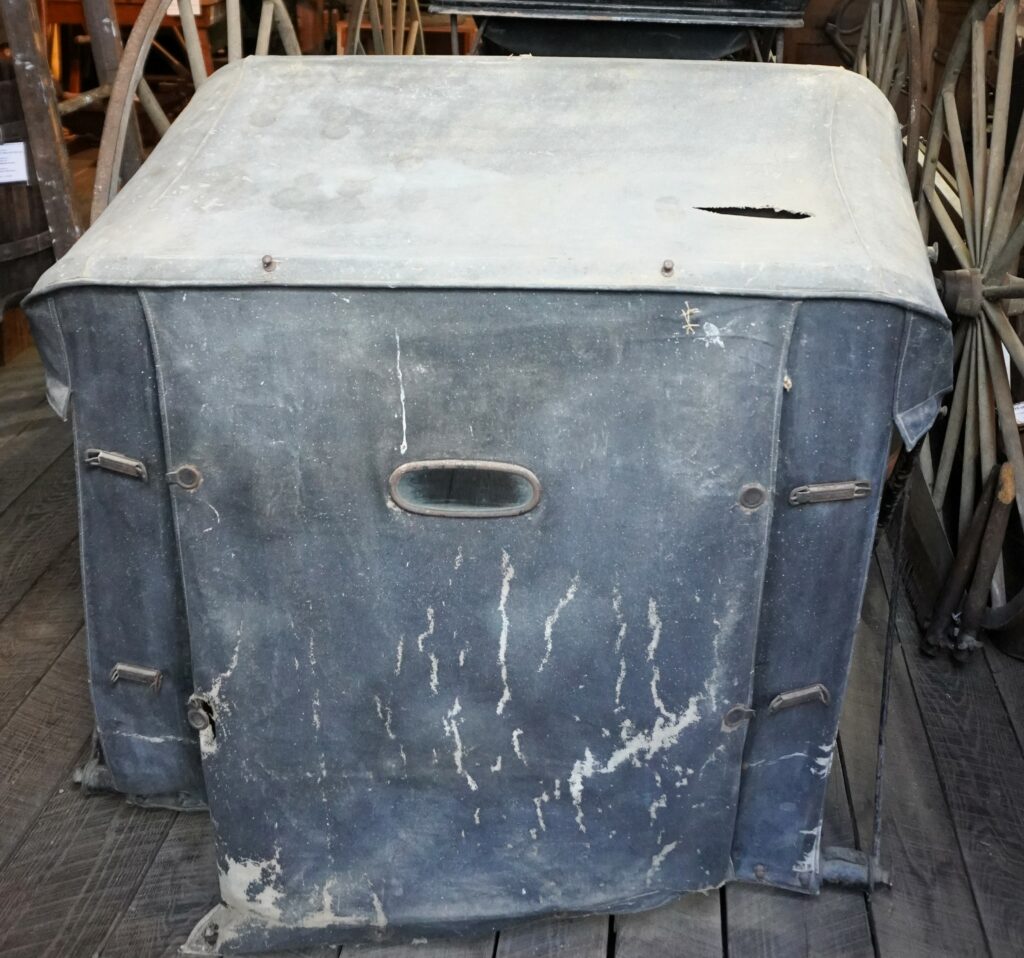
The horse-drawn buggy can be dated back to ancient Mesopotamia, and they used a simple two-wheeled chariot for war. But with time, the design was upgraded to four wheels and more advanced features, and then it became fit for civilian consumption. The 19th century saw the buggy as a mode of transportation in the United States and Europe -a practical, inexpensive vehicle for personal travel. [1]
The buggy of the past is more than just a mode of transportation; it is a symbol of a pivotal era in American history. The cultural significance of the 19th century reflects the values and needs of a society on the brink of discovering a new invention called the automobile. While the automobile eventually replaced the buggy as the primary mode of transportation in rural areas like Harwinton, we have this wonderful horse-drawn buggy in our collection to remind us how far transportation has evolved.
You can see this buggy on display in our Barn Museum Exhibit.
Reference:
[1] Tally-Ho Tours. (n.d.). The History of the Horse and Buggy. https://www.tallyhotours.com/history-of-the-horse-and-buggy/