Mills Glass Plate Negatives Collection
Photographs taken by Lewis S. Mills ~ Early 20th century
Click on images to Enlarge
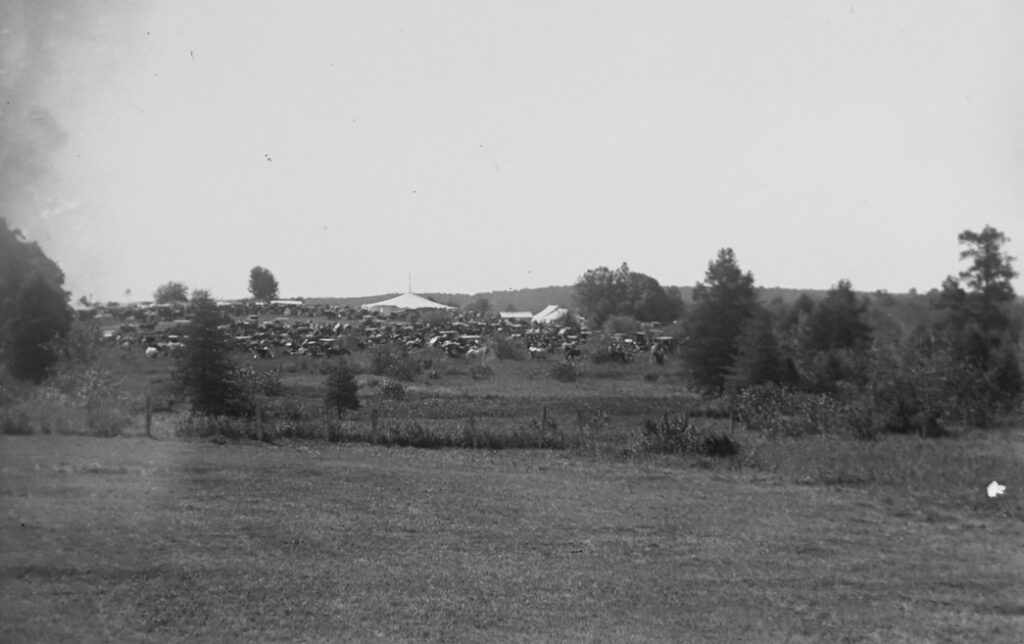
Mills, Lewis Sprague. Photographs of Lewis S. Mills. Mills Glass Plate Negatives Collection. Harwinton Historical Society Collection.
Donated by Lloyd Shanley, Jr. in 1996
What is a glass plate negative?
Glass plate negatives are photographic negatives created by coating a glass plate with a light-sensitive emulsion. These were commonly used in the 19th and early 20th centuries for capturing images in photography. The Wet Plate Collodion Process (1850s–1880s) was introduced first which produced very sharp detailed images and required photographers to carry portable darkrooms in the field. Later the Dry Plate Process (1870s–1920s) was invented making these plates easier to store and developed later, making photography more convenient.
These two processes produced high image quality and detail; and were stable and long-lasting if stored properly. A major disadvantage was the weight of the glass negatives and how fragile they were. Eventually celluloid film replaced these glass negatives which was easier to use. Glass plate negatives will always be important to the history of photography because of their exceptional archival quality and exceptional image resolution.
Mills Glass Plate Negatives Collection
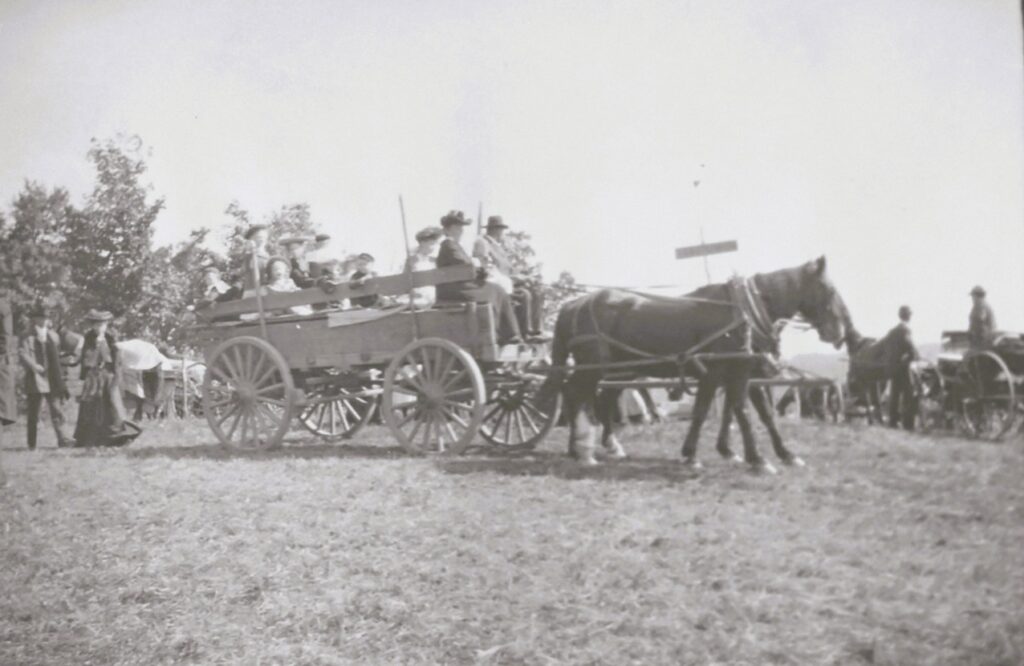
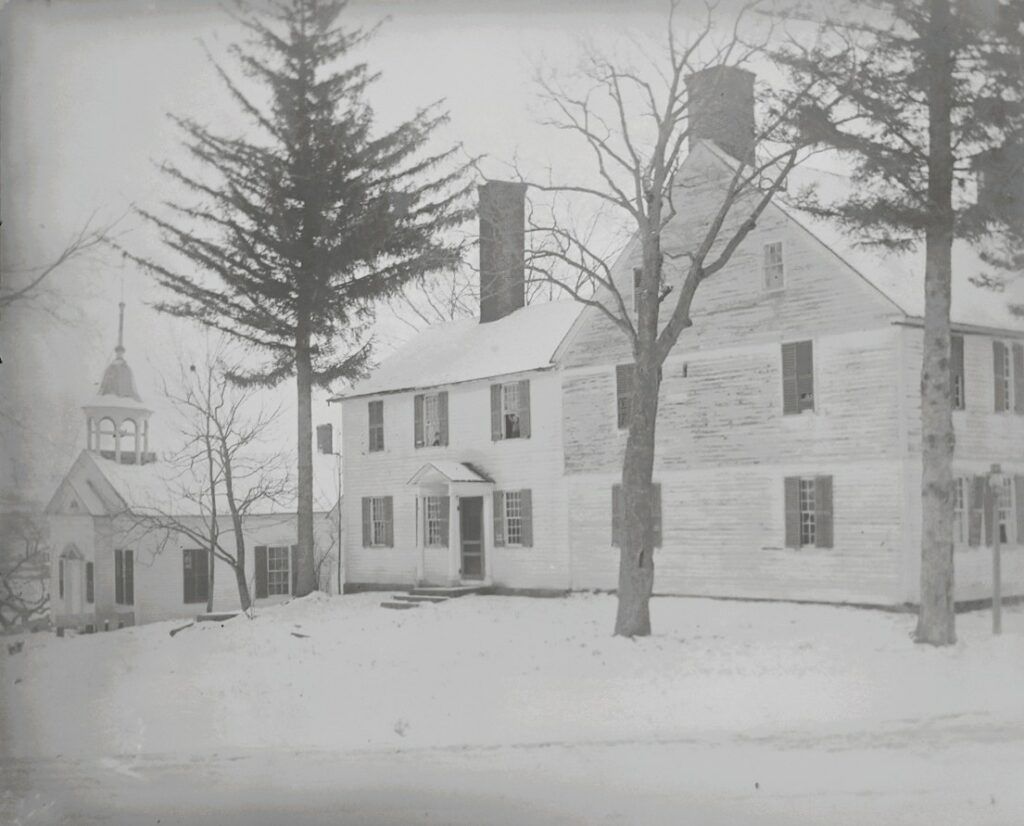
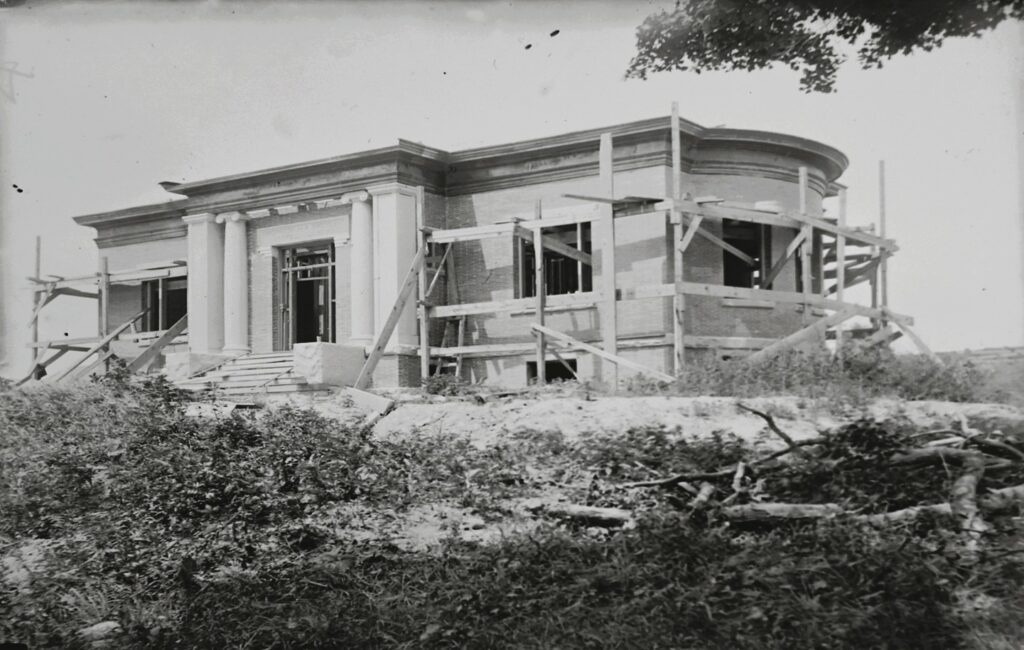
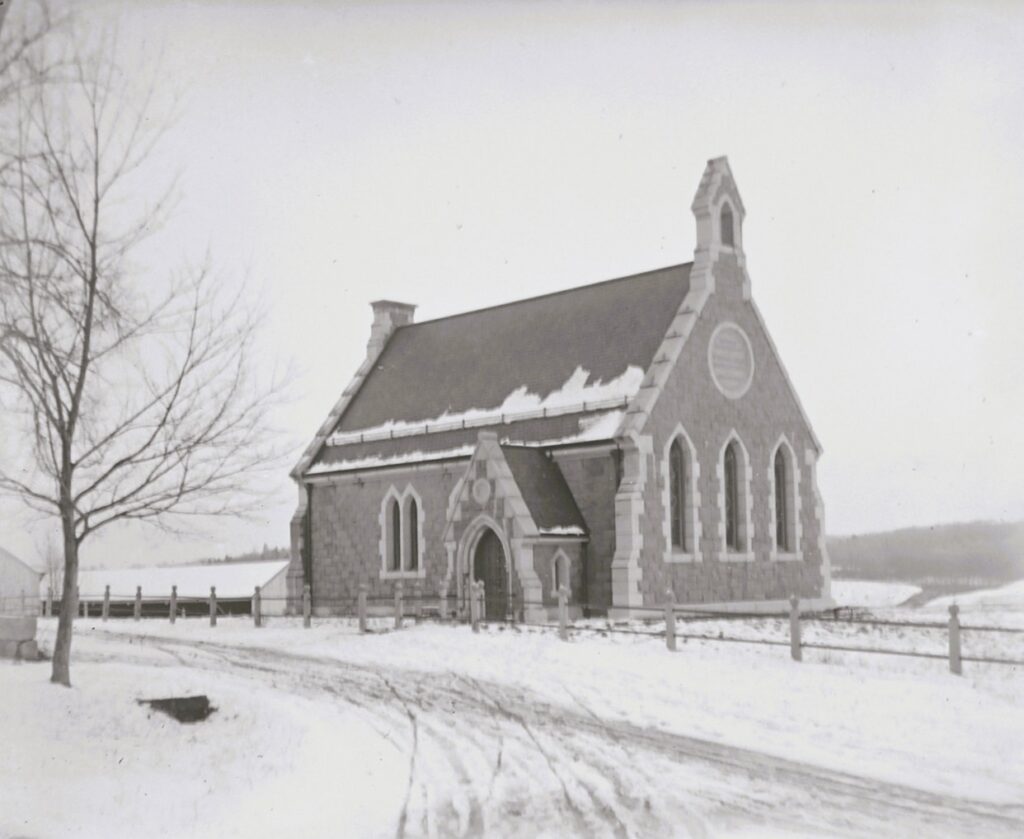
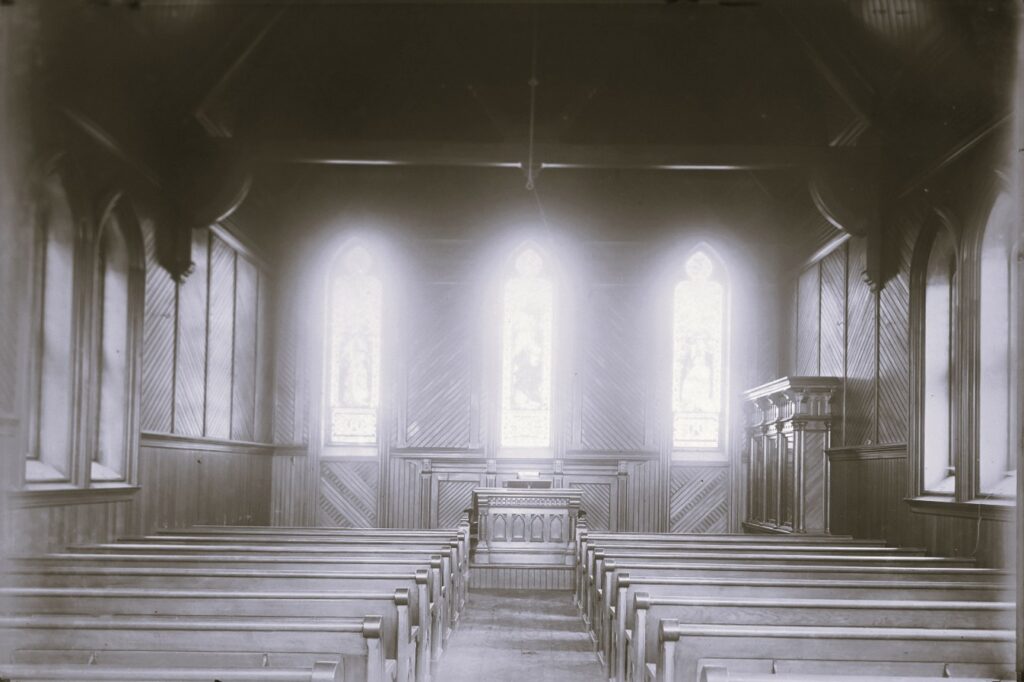
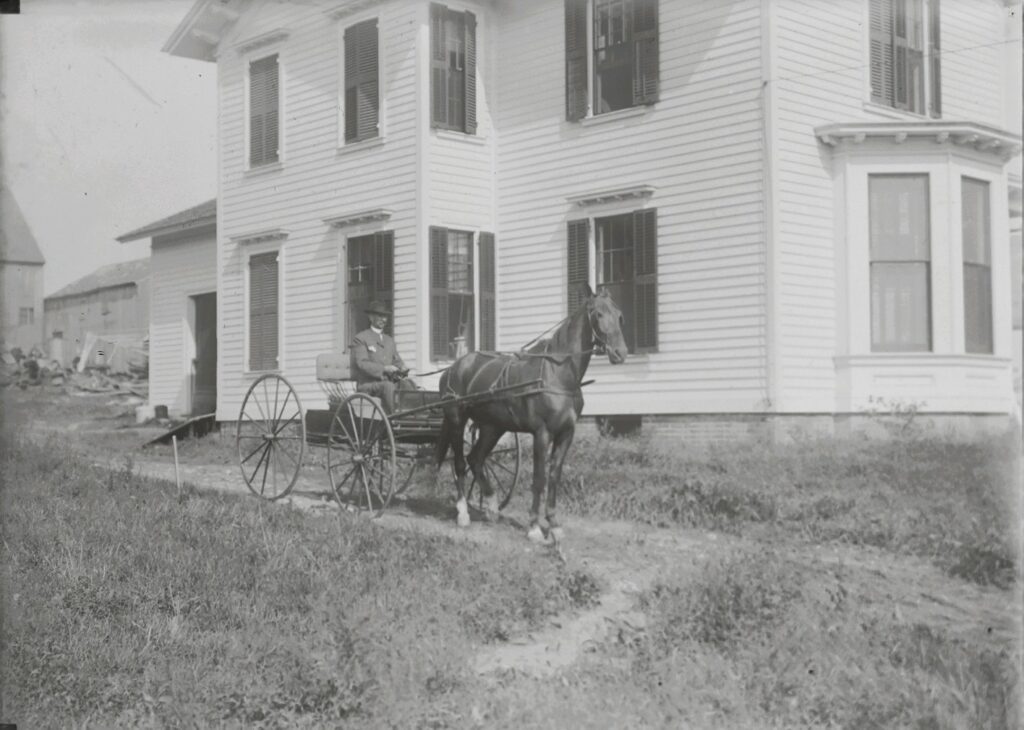
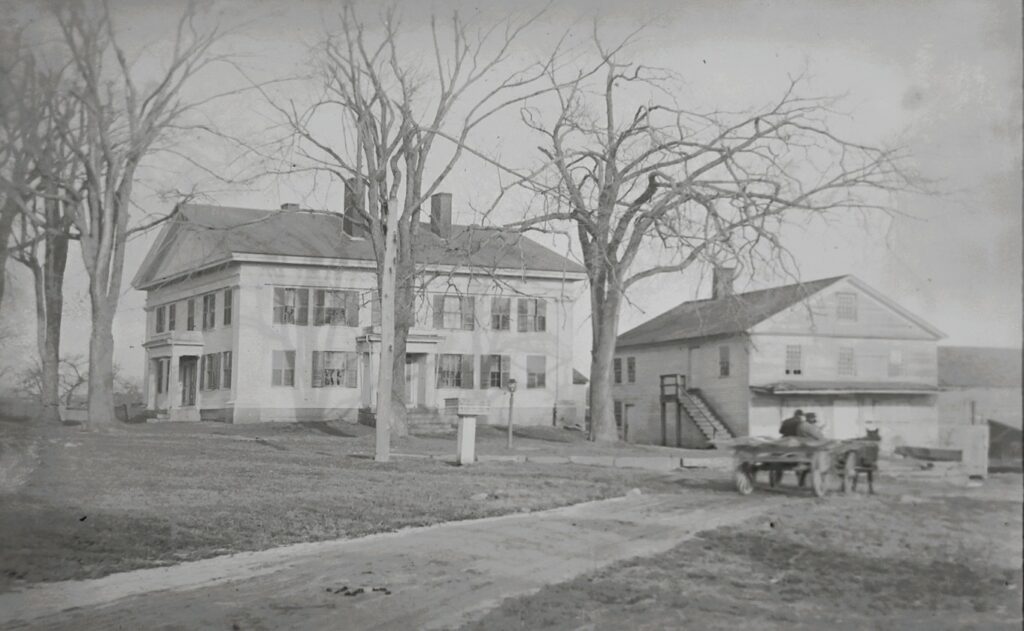
Photographer Lewis S. Mills traveled around Connecticut to capture images of life as it existed around the turn of the century. Sadly, time has erased many of these historic buildings and homes. These forty-six (46) historic images of Harwinton are located in the Harwinton Historical Society Library & Archives.
Biography of Lewis S. Mills
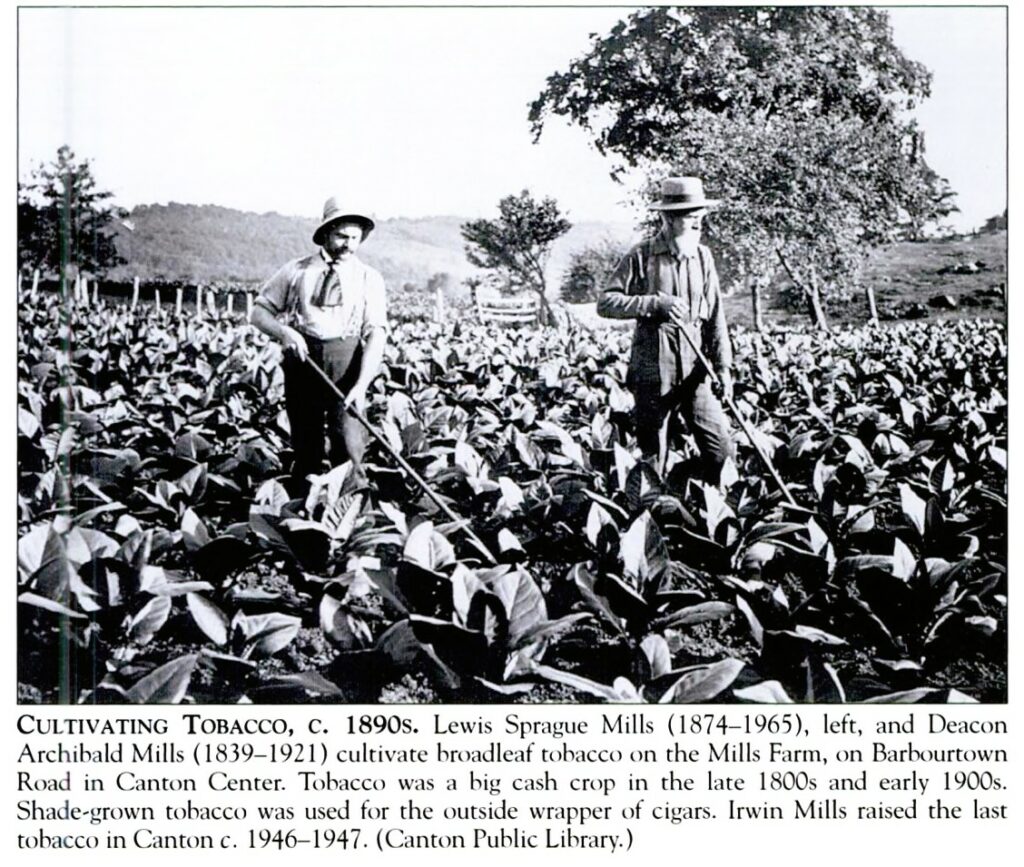
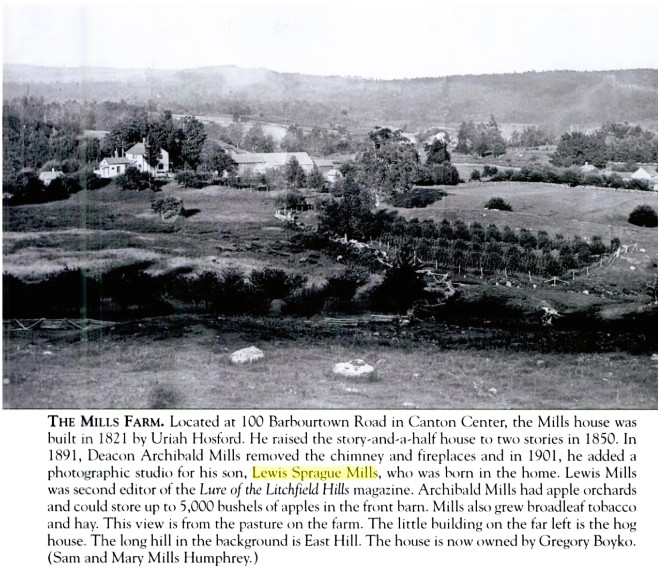
Lewis S. Mills was born on September 5, 1874, at the time of his autobiography he described himself as living in “a place of fire light and candles.” He was born in the Deacon Uriah Hosford house (1821) which still stands in Collinsville today. His father was a Civil War Veteran and his mother a schoolteacher.
Mills’s career was devoted to the educational field. He taught at Willimantic, Woodstock and Plainfield before graduating from Columbia University in 1908. Mills spent the next 31 years as field supervisor for Connecticut State Board of Education before retiring in 1939. By that time, he had become a justice of the peace for Plainville, director of its Chamber Commerce, lay minister Congregational Church.
History and photography were his interest eventually leading to becoming editor of The Lure of the Litchfield Hills, a magazine about the history of Litchfield County. He was also the author of The Story of Connecticut (1932) which was the first book on Connecticut history published for use in Connecticut schools.
Many of Mills’ pictures of rural Connecticut as it existed around the turn of the century cannot be reproduced today because their locations have been destroyed physically or by nature. [2]
Reference:
[1] Donna M. Miller, Canton and Collinsville, (Charleston, SC: Arcadia, 2001), 9.
[2] The Connector. Connecticut State Library Newsletter. v.13, no.4, Dec. 2011.
[3] Miller, 25.