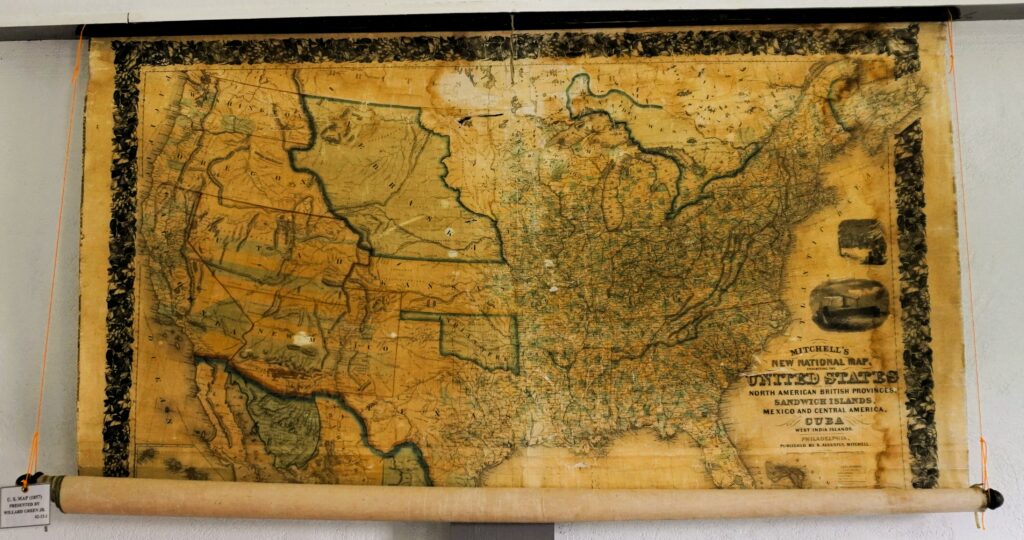
Mitchell’s New National Map Exhibiting The United States With The North American British Provinces, Sandwich Islands, Mexico And Central America, Together with Cuba and other West India Islands.
This 1856 map was engraved and constructed by W. Williams, Map Engraver of Philadelphia, is now located in the Harwinton One Room School House.

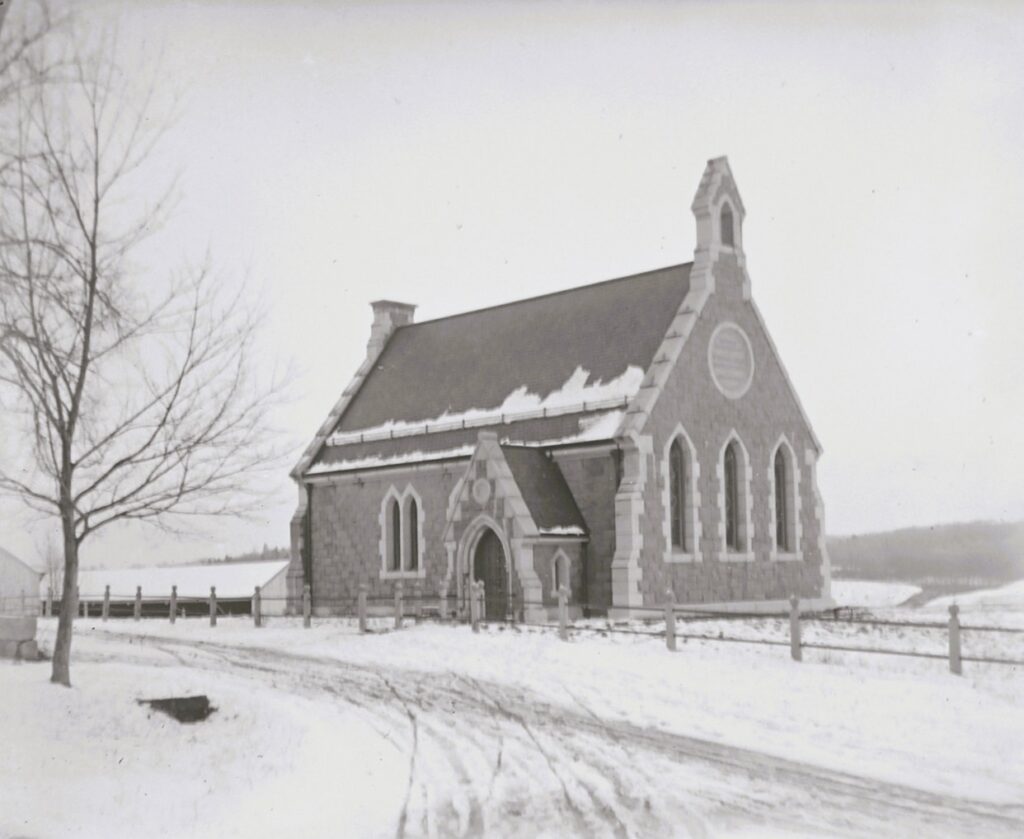
Photographer Lewis S. Mills traveled around Connecticut to capture images of life as it existed around the turn of the century. Sadly, time has erased many of these historic buildings and homes.
These historic images of Harwinton are located in the Harwinton Historical Society Library & Archives.
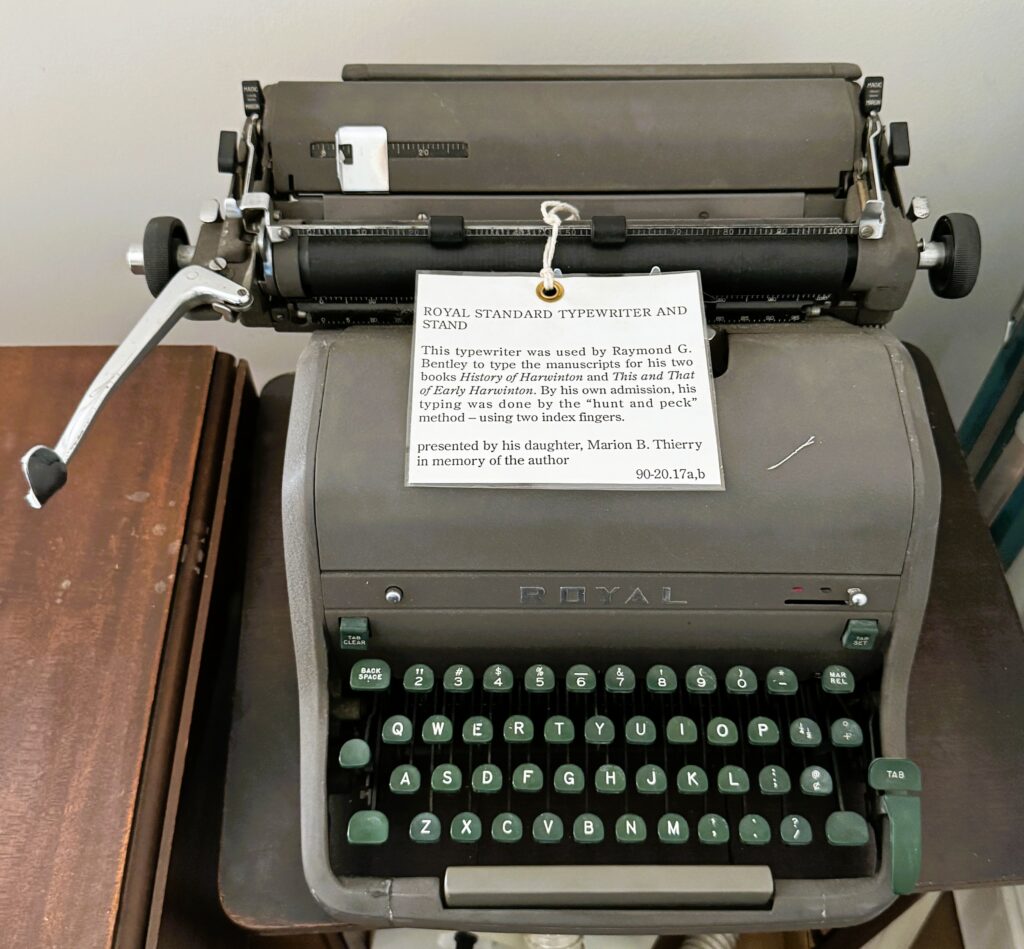
This typewriter was used by Harwinton Historian Raymond G. Bently to type manuscripts for his two books: History of Harwinton and This and That of Early Harwinton.
Royal Standard Typewriters were produced by The Royal Typewriter in New York. Typewriter is located in the Harwinton Historical Society Library & Archives.
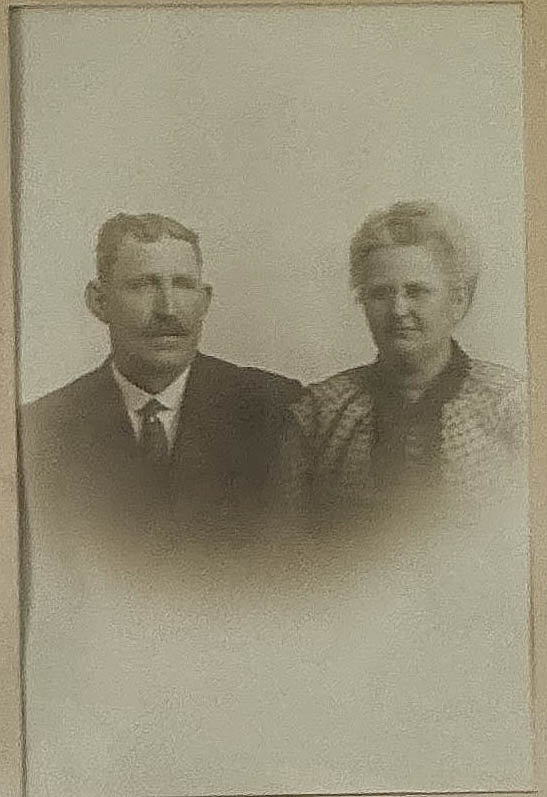
The photograph of Silas and Mary (Johnson) Hart was donated by their daughter, Mrs. Eric Regner. Silas and Mary Hart were part of the agricultural community of Harwinton.
Harwinton was established as an agricultural community. In the 18th and 19th centuries, the economy of Harwinton was primarily centered on small-scale agriculture. Located adjacent to the Naugatuck River, it offered rich soils and plentiful water supplies, which were crucial for farming.
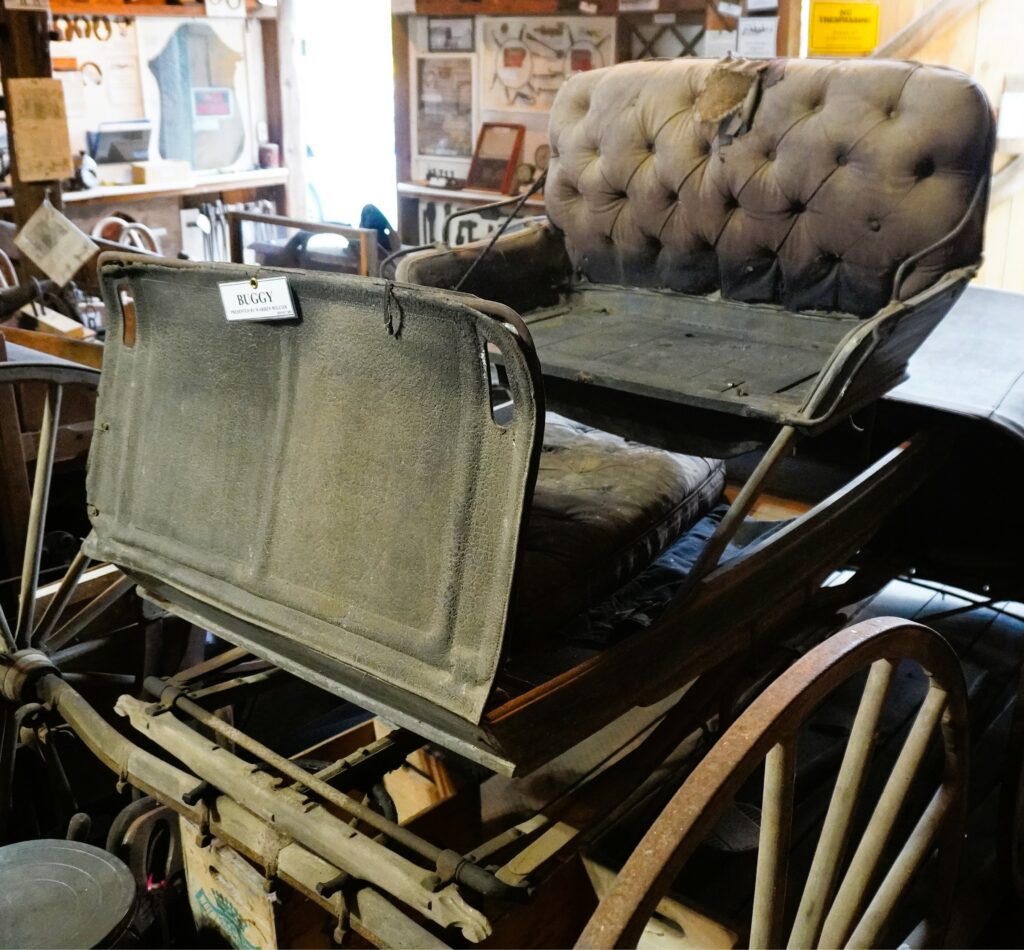
This horse-drawn buggy was donated by Mr. Warren Wilcox and is now part of our Barn Museum Exhibit.
Between the early 1800s and the early 1900s, these horse-drawn buggies became a staple of American life, especially in rural areas. This allowed people to travel to town for shopping, church, and social gatherings.
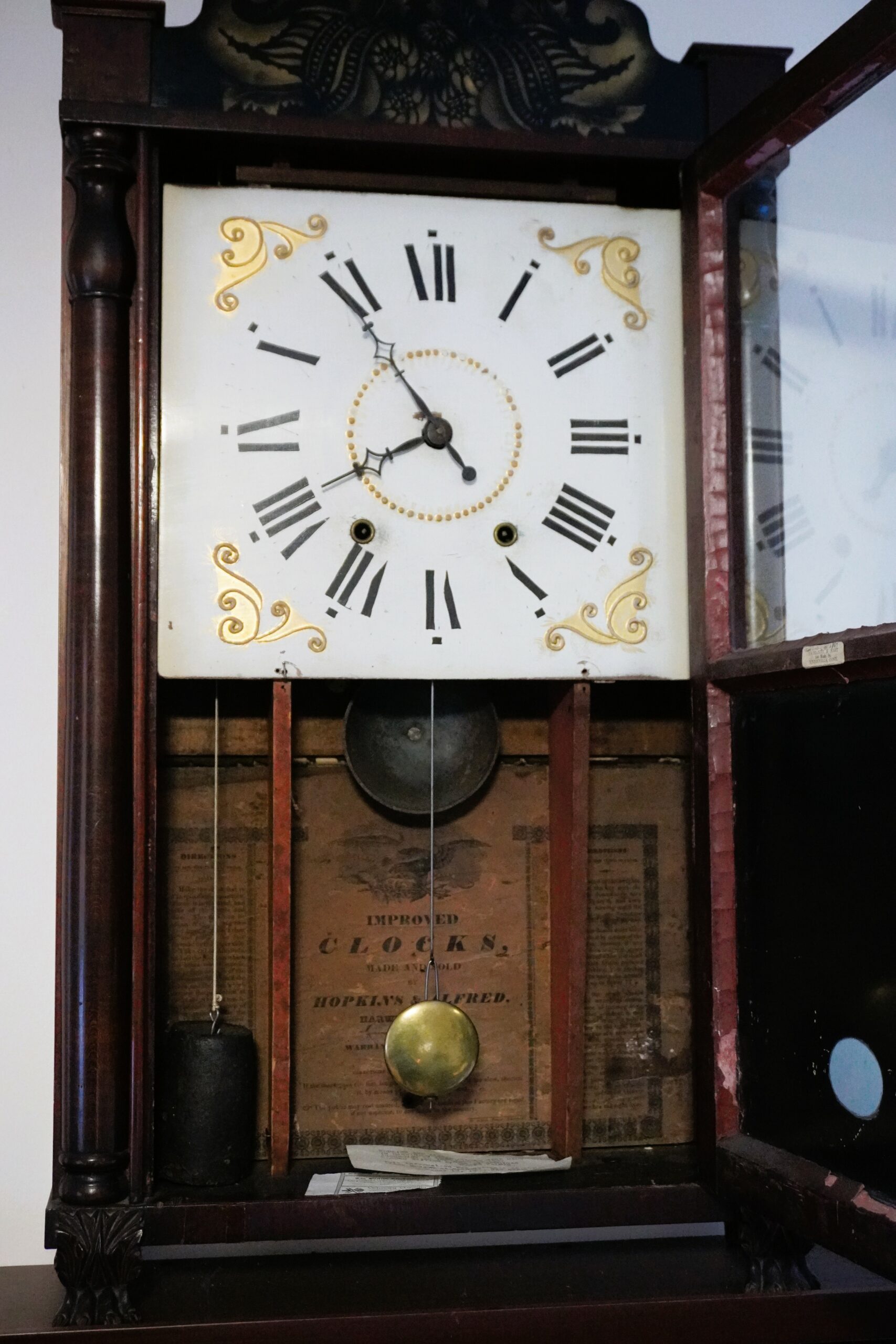
This 19th century Hopkins and Alfred Column and Splat clock exemplify such features such as roman numerals, decorative columns, floral motif, ornate corner scrolls, and a pendulum window.
Litchfield, Connecticut evolved from a frontier town into a commercial center within its first century. Settled in 1721 by skilled residents from Hartford and Windsor, one prominent early settler was Asa Hopkins, a wood turner who established himself in Northfield, a Litchfield section.
This newspaper article “Harwinton Inn Restored” was printed in 1958 and tells of Back in 1783, a son of Daniel Messenger, first settler in Harwinton, built the oldest part of this house.
“The House on the Green” as it is called, was used as an Inn. It was a scheduled stop for the stage coaches on their run from Litchfield to Hartford. Colonial travelers, afoot and on horseback, stopped for food and shelter here.